
Unlocking Smoother Sessions All Spring and Summer
Dialing in cannagar density and draw matters if you want long, chill sessions without babysitting a lighter. When your pack is right, a single cannagar or blunt can carry a whole kickback, backyard hang, or festival pre-roll with slow, even hits that feel smooth from start to finish. When it is wrong, you get canoeing, harsh smoke, and that tight pull that makes everyone cough.
Cannagars, also called Thai sticks, are different from standard joints or blunts. You pack ground flower around a skewer inside a mold so the core is dense and cigar-like, then cure and wrap it. That thicker core means longer burn time and richer flavor, but only if density and airflow work together.
Think of density and airflow as the secret sauce. Too tight and there is no draw. Too loose and you get runs, gaps, and hot spots. We are going to break down how to pack, cure, and wrap in a cannagar mold or blunt roller so your sessions stay smooth, plus how to fix common problems when things go sideways.
Understanding Cannagar Density and Airflow Basics
A cannagar starts with a core: flower packed around a center skewer inside a mold. That core is what controls both how hard you have to pull and how fast the ember moves. When the core is dense but breathable, the cherry crawls along in a slow, even line instead of racing down one side.
There is a sweet spot you want to hit:
- Tight enough that the flower sticks together as one solid log
- Loose enough that air can travel in a straight path along the skewer line
- Even from tip to tail so you do not have random tight or loose zones
Airflow basically follows the space that forms where the skewer sits. When you remove the skewer after curing, you get a tiny airway down the middle. If you pack way too hard, that channel pinches shut. Pack too fluffy and the air swirls around in pockets, which can create canoes and tunnels.
Hand-packed Thai sticks can be great, but they are harder to keep consistent. Molds and blunt roller kits give you more control over:
- Shape and size
- Even pressure as you pack
- Repeatable results from session to session
Your grind and flower moisture also matter. Slightly chunky, fluffy grind makes a softer pack. Super fine grind packs tighter and can clog airflow. Sticky flower or heavy concentrates like hash, rosin, or THCA diamonds can glue everything together, so you need to be gentle with pressure and spread them out instead of clumping in one spot.
Packing Your Mold or Blunt Roller for Even Draws
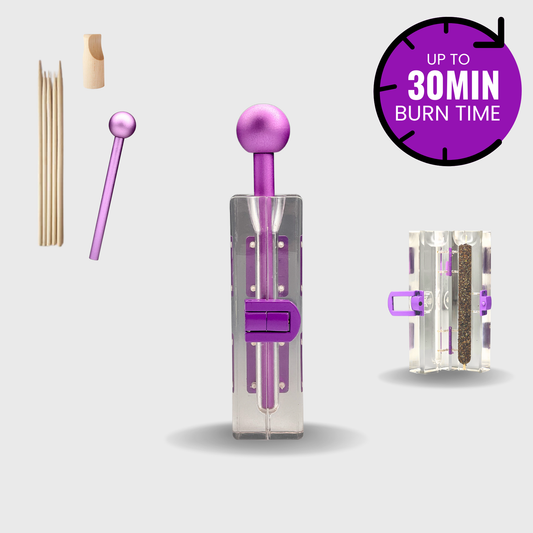
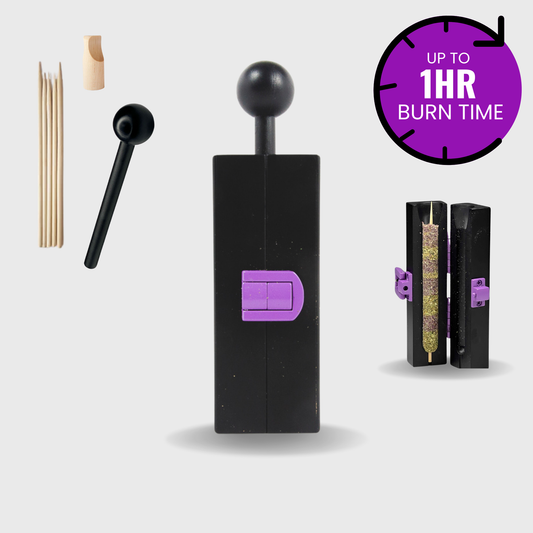
When we pack a Purple Rose Supply cannagar mold, we treat it like building a tiny house. Every layer matters.
Start with the basics:
- Use properly cured, not wet, flower
- Aim for a medium grind, not powder, not full buds
- Insert the skewer straight through the mold so it is centered
Then build the core in layers. Add a pinch of ground flower, then tamp. Repeat until you reach your size. For each layer:
- Use firm but controlled pressure with the packing tool
- About 3 to 5 tamps per layer is a good range
- Focus extra pressure around the edges to avoid gaps, but do not crush the center
Before you close the mold for curing, feel along the outside. You want the core to feel:
- Firm but not rock hard
- Springy when you squeeze between fingers
- The same density from one end to the other
You can also do a quick airflow check while the skewer is still in. Put your lips to one end of the mold and pull gently. You should feel some resistance, but not like sucking through a clogged straw.
With a blunt roller, the same rules apply, just in a different shape. When you load your wrap:
- Spread the flower from end to end in an even line
- Pull out stems and big clumps so they do not poke holes
- If you add concentrates, smear a thin line instead of dumping a glob
As you roll, let the blunt roller do the shaping, but do not crank down like you are crushing it. You want a uniform cylinder that still has a tiny bit of give when you pinch it. If it feels like a brick, it is probably too tight. If it feels hollow or lumpy, you likely have gaps that can cause uneven burns.
Curing and Wrapping for a Slow, Even Burn
Curing is the part most people rush, especially once the weather warms up. In spring and early summer, when the air can be a bit more humid, giving your packed core enough time in the mold helps balance out moisture from the inside to the outside.
During curing:
- Water inside the flower moves and evens out
- The core firms up and holds shape
- Harshness drops and flavor gets smoother
If you skip this step or rush it, wet pockets inside the core can burn slower than the outside, which is a common cause of canoeing and tunneling.
Once cured, it is time to wrap. You can use:
- Hemp wraps for a classic slow burn
- Blunt wraps for a richer, heavier smoke
- Fan leaves or rose petals for a more natural, showy look
Wrap tension is huge. Pull the wrap snug, but not so tight that you crush the airway. Aim for:
- Slight stretch as you roll, not full-on tug of war
- Even overlap, just a few millimeters per wind
- A smooth finish with no thick seams or loose flaps
Seal the final edge with just enough moisture to stick. Big wet globs can wrinkle and create ridges that burn unevenly.
Fixing Canoeing, Runs, and Tight or Harsh Pulls
Most burn problems point back to packing, curing, or wrapping mistakes. The common ones are:
- Canoeing, one side burns faster
- Tunneling or runs, center burns but sides stay hard
- Tight pulls, hard to hit, weak smoke
- Harsh smoke, hot and rough on the throat
If your cannagar is already lit and starts to canoe:
- Gently torch the slow side with your lighter to even the burn line
- Rotate the cannagar as you puff so the slower side is on top
- Take slower, softer hits to cool the ember and keep it even
For tight pulls, you can:
- Massage the body very gently while it is unlit to loosen packed spots
- If it is still too tight, you may need to rebuild with a lighter hand next time
Pre-roll prevention tricks:
- Use a slightly coarser grind if you keep getting tight pulls
- Tamp with less force or fewer tamps per layer
- Let the core cure a bit longer so moisture levels settle
- Pack the tip a tiny bit looser to help with ignition and first draws
For blunt roller users, if your blunt feels like a brick, it was rolled too tight. Lightly roll it between your fingers to break up the pack just a bit. If you feel big hollow areas or the blunt caves in, it was too loose. In that case, it may be better to unroll, redistribute the flower, and roll again with a more even load.
Dial in Your Perfect Burn and Level up Every Session
A great cannagar or blunt comes down to a simple formula: consistent grind, smart packing in your mold or blunt roller, patient curing, and thoughtful wrapping. When all four line up, you get that slow, even burn and smooth draw that makes a session feel special.
Treat density like your personal setting. Pack a little lighter for solo chill time. Go denser for group sessions, outdoor parties, and long spring or summer nights for a slower-burning, longer-lasting session. It helps to snap a quick photo or jot down a few notes about each build, like strain, grind, pressure, cure time, and wrap type, so you can repeat your favorites.
With a bit of practice and the right tools, cannagars and blunts move from “hit or miss” to a reliable ritual. At Purple Rose Supply, we are all about helping you lock in that perfect density and draw so every session feels just the way you want it.
Elevate Your Sessions With a Smoother, Slower Burn
If you are ready to upgrade your smoke experience, our blunt roller makes it easy to craft long-lasting, even-burning cannagars at home. At Purple Rose Supply, we design our tools so you can enjoy more flavor, less waste, and a cleaner, more consistent session every time. Explore our gear, pick the size that fits your routine, and start rolling like a pro. If you have questions about getting started, just contact us and we will help you choose the right options.